Field Dispatch
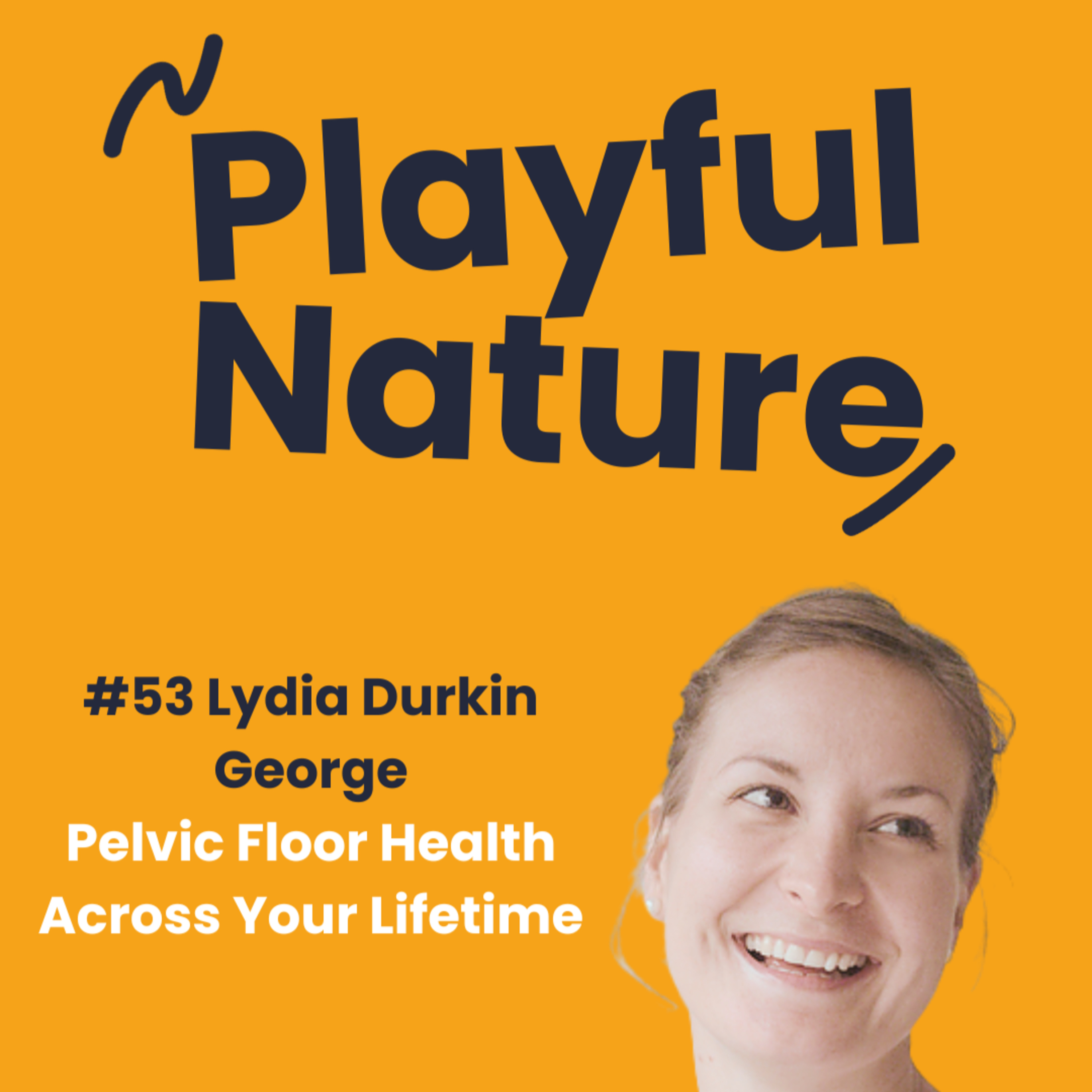
#53. Lydia Durkin George. Pelvic Floor Health Across Your Lifetime
Notes
Lydia Durkin George is a physiotherapist, researcher and former international kickboxer. She represented Great Britain for more than a decade and has since worked across the NHS, private practice and elite sport. She is also the founder of Form.at.Physio, an online physiotherapy practice supporting people across the UK.
We wanted to have this conversation because pelvic health comes up regularly among women taking part in Strong for Life. People often assume that leaking, prolapse or other pelvic-floor symptoms mean strength training, running and higher-impact movement are no longer available to them.
It is also personal for Gill. After having children, she stopped running partly because of leaking and gradually accepted that this was simply how things were now. Years later, working with a pelvic-health physiotherapist showed her that change was possible. The process - finding a starting point, gradually building capacity and working towards something meaningful - had much more in common with ordinary strength and movement training than she had realised.
Gill and Lydia discuss what the pelvic floor is and what it does; symptoms that aren’t always recognised as pelvic-health issues; the difference between a weak and a non-relaxing pelvic floor; and what effective rehabilitation can involve. They also talk about the effect these symptoms can have on confidence, independence and everyday life, and how people can work towards returning to running, lifting and the activities that matter to them.
This conversation provides general information and is not a substitute for an individual assessment or medical advice. If you are concerned about pelvic-health symptoms, speak to your GP or a suitably qualified pelvic-health physiotherapist.
Links
Lydia Durkin George and Form.at.Physio
Book an online physiotherapy appointment
Find a pelvic-health physiotherapist
POGP physiotherapist directory
Pelvic-floor muscle exercise support
Music by Me for Queen
 Apple Podcasts
 Castbox
 Castro
 Goodpods
 Moon FM
 Overcast
 Pocket Casts
 Podbean
 Podcast Addict
 Podcast Republic
 Spotify