Field Dispatch
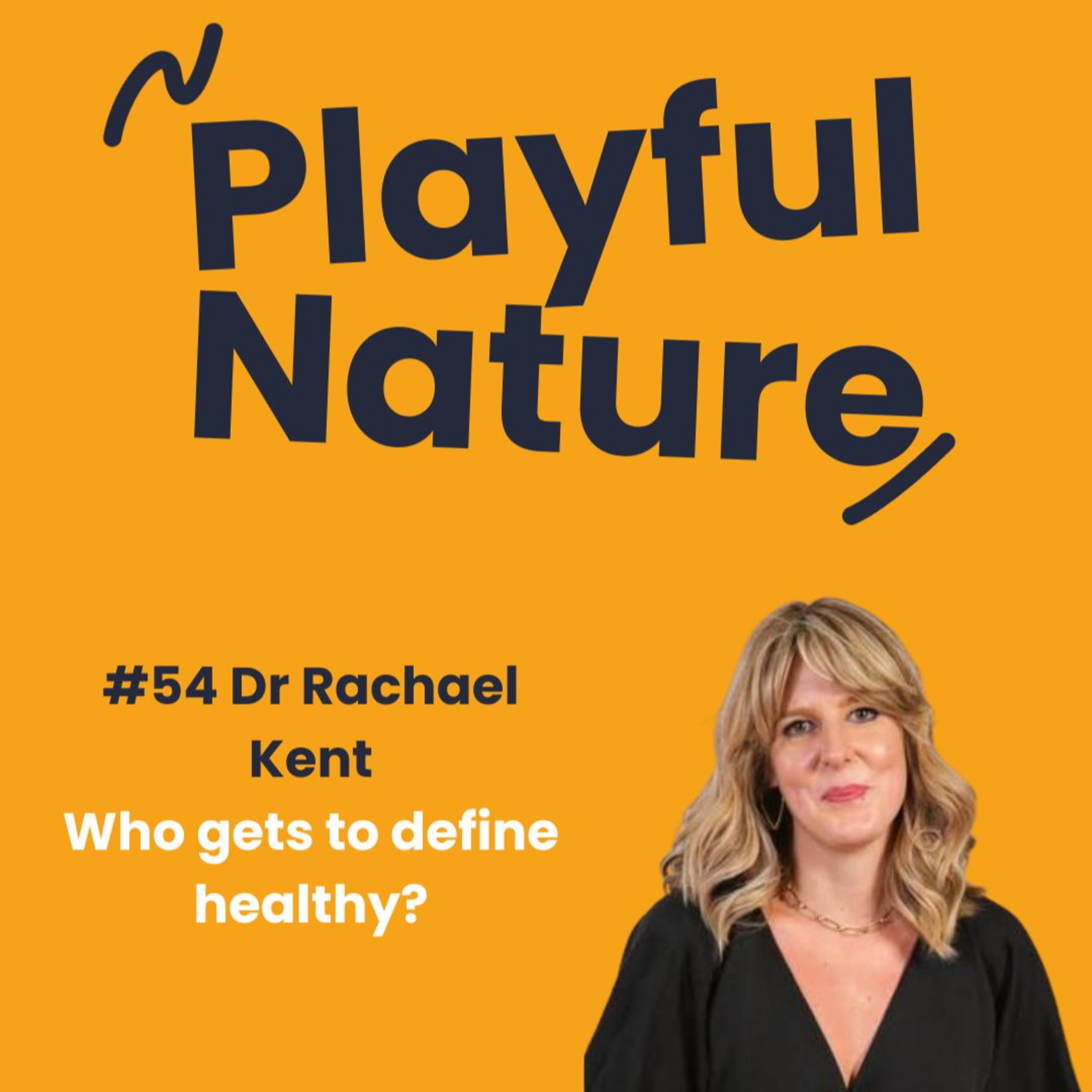
#54. Dr Rachael Kent. Who gets to define healthy?
Notes
Health technologies can measure our steps, sleep, heart rate, food and exercise. But what happens when those measurements begin to feel more authoritative than our own experience?
Dr Rachael Kent is a Senior Lecturer in Digital Economy and Society at King’s College London, Co-Director of the Centre for Technology and the Body, and author of The Digital Health Self: Wellness, Tracking and Social Media.
Rachael tells Andrew about the experience that led to her research: becoming critically ill after under-fuelling and over-exercising while following separate juicing and running apps. When she eventually turned her phone back on in hospital, her running app reminded her that it was time to go for a run.
Their conversation moves from fitness trackers and the quantified self to the moralisation of health, social media’s growing role as an informal public-health platform, AI health advice, loneliness and the disappearance of affordable shared spaces.
They also discuss conspirituality, the politics of online wellness, the appeal of certainty, and an optimisation culture in which there is always another number to improve, product to buy or part of ourselves to fix.
Finally, they consider where responsibility should sit, what legal and collective action might achieve, and how we can protect our attention without turning resistance into another self-improvement project.
Rachael’s work and the Kent v Apple collective action
Her personal experience of over-exercising and under-fuelling while following health apps
The origins and ideology of the quantified-self movement
When measurements become more authoritative than bodily experience
Guilt, self-worth and performing health online
Why optimisation has no natural endpoint
Individual responsibility versus structural influences on health
Social media as an unregulated, informal public-health platform
Why people turn online when conventional healthcare is inaccessible or has failed them
AI as a useful tool, personal adviser and apparent companion
Personalised algorithms and different versions of reality
Loneliness, lost third spaces and the environments pushing people online
Conspirituality, distrust and the rage-bait economy
Wellness culture, young men, looksmaxxing and the marketisation of identity
Legal accountability, technological boundaries and reclaiming attention
More about Rachael:
- The Digital Health Self: Wellness, Tracking and Social Media. Use the discount code CNF26 when ordering through Bristol University Press.
Official Kent v Apple case record
Articles and books mentioned
“I hate my £349-a-year Whoop tracker. It’s a hypochondriac”, The Times
Conspirituality: How New Age Conspiracy Theories Became a Health Threat by Derek Beres, Matthew Remski and Julian Walker
From Counterculture to Cyberculture by Fred Turner
Doppelganger: A Trip into the Mirror World by Naomi Klein
 Apple Podcasts
 Castbox
 Castro
 Goodpods
 Moon FM
 Overcast
 Pocket Casts
 Podbean
 Podcast Addict
 Podcast Republic
 Spotify